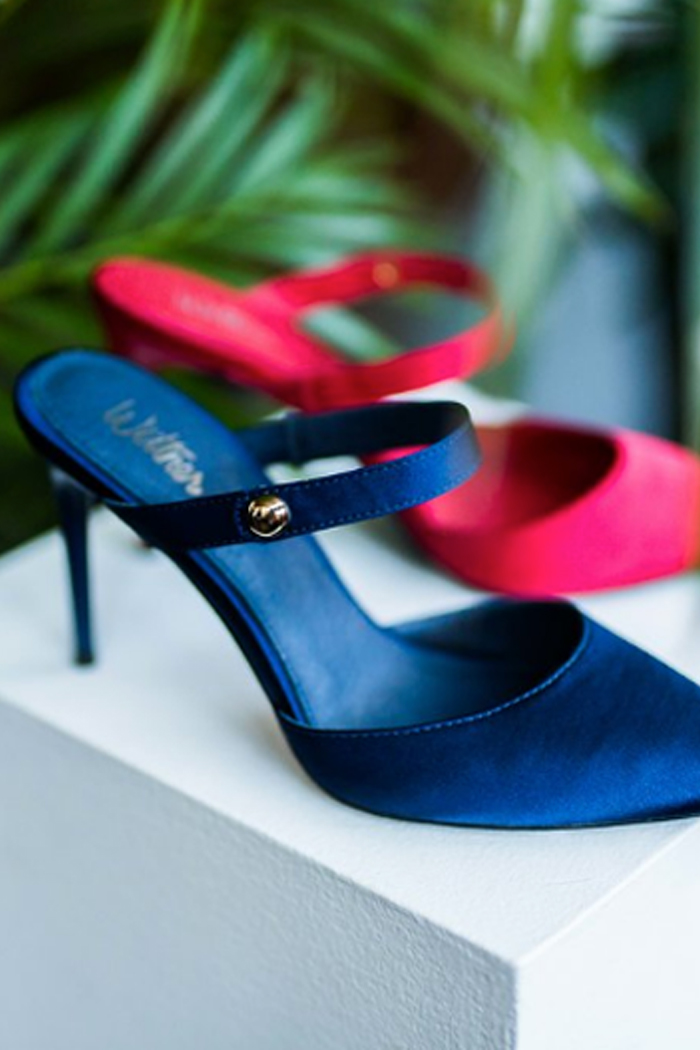
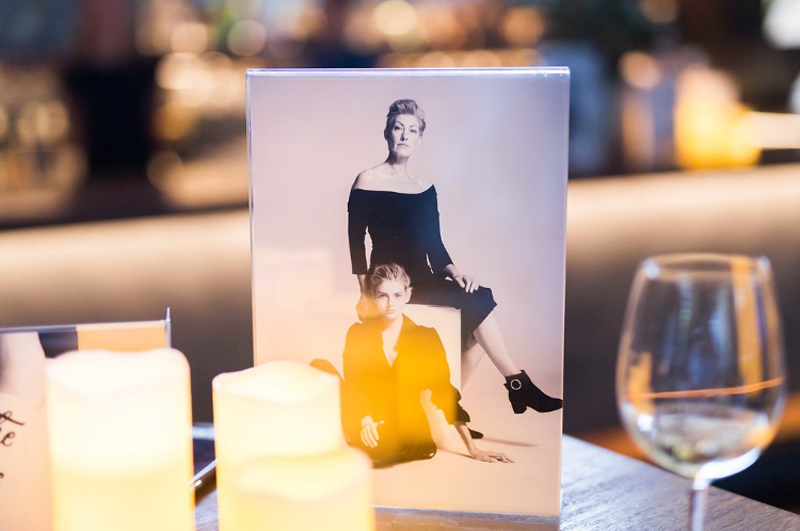
Leading Australian footwear company Wittner, is taking a bold step forward this season with the launch of its new A/W 18 campaign, ‘The Future is Female’. The infamous phrase has a powerful history of encouraging women to dare greatly and lead boldly, and the campaign perfectly represents this.
It’s not the first time we’ve seen a brand co-opting into a political movement – Dior’s ‘We Should All Be Feminist’ tee’s that quite controversially retail for $969.85AUD. Pepsi’s infamous ad that was pulled almost as soon as it was published featuring supermodel Kendall Jenner and borrowing heavily from the ‘Black Lives Matter’ campaign. Suffice to say, it failed. Miserably.
Wittner tell us that ‘the campaign aims to encourage females from all walks of life to stand tall and put their best foot forward with attitude, no matter what challenges they are faced with.’ It’s noble and lofty and why not? I’m not going to criticise a brand who wants to stand clearly with a political movement.
Making money from said movement is another story all together.
Last year Cara Delevigne announced that she was making and selling her own version of ‘The Future Is Female’ shirt and that proceeds would go to the United Nations Foundation’s adolescent girl campaign, Girl Up.
Recently, the owner of Otherwild design studio, Rachel Berks, discovered the vintage print on h_e_r_s_t_o_r_y and approached the original creators about remaking it, selling it on Otherwild’s website (which specializes in cool queer-centric products), and donating 25% of the profits to Planned Parenthood.
Right now, Otherwild and its LGBTQ supporters are accusing Delevingne of stealing the idea from a small, queer feminist-owned business. Their argument is that what she is doing is contrary to everything the slogan stands for.
And that’s where things get murky when brands are selling a product linked to a political movement. Who should ultimately benefit monetarily from products that are promoted under a banner like ‘The Future Is Female,’ for example?
On the eve of International Women’s Day this year when this campaign launched, Wittner collected donations of $2 from every shoe sold across its flagship stores in Australia and New Zealand, that will go directly to ‘Fitted For Work’. A charitable organisation, Fitted For Work, helps women who are experiencing adversity break through barriers to get and keep work.
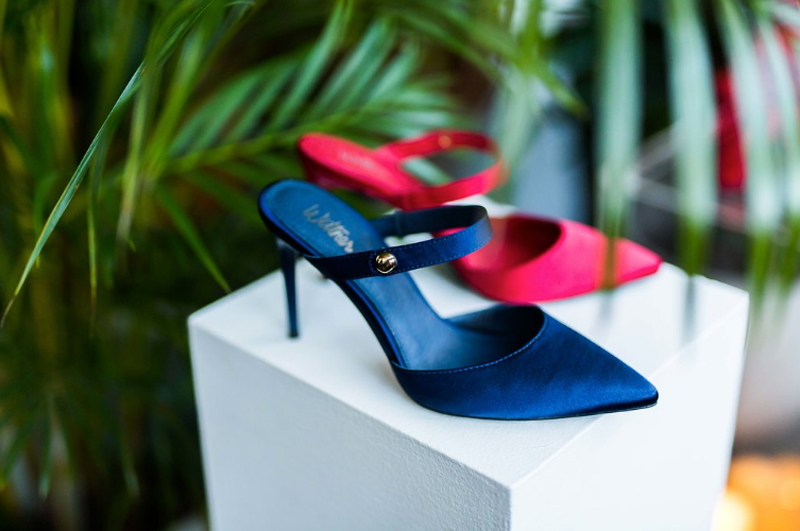
So, fantastic! But a $2 donation is a far cry from the profit made from a pair of shoes, which at a glance on average retail for $259AUD on the Wittner website.
The point is, that essentially we need to ask ourselves important questions before parting with our money for a slogan tee, can of Pepsi or pair of shoes. Is it enough to buy the tee and opt in? Or does political activism require more than an instagram like or a casual donation?
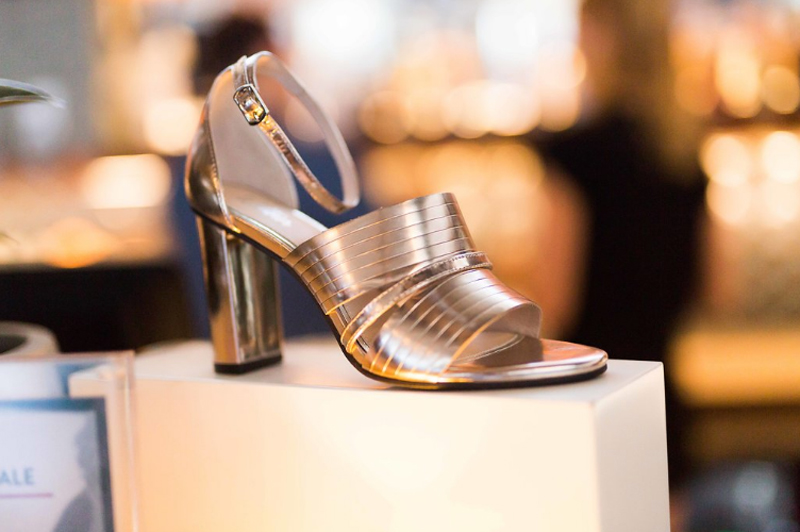
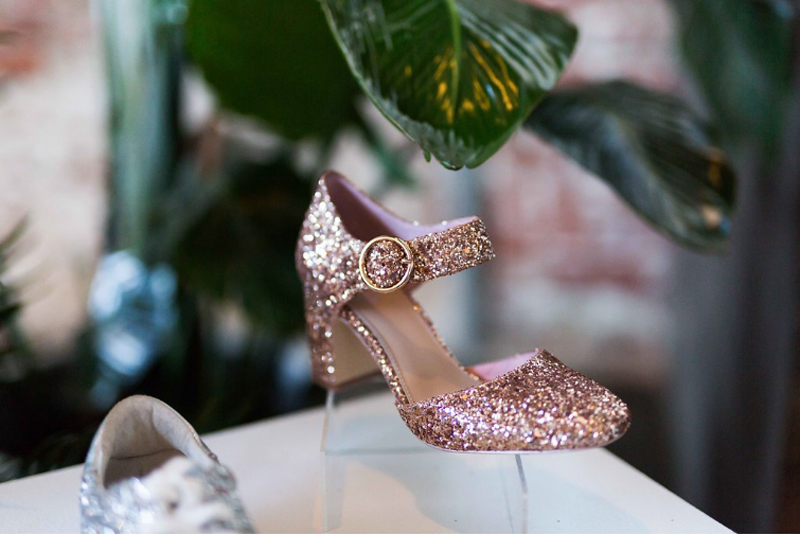
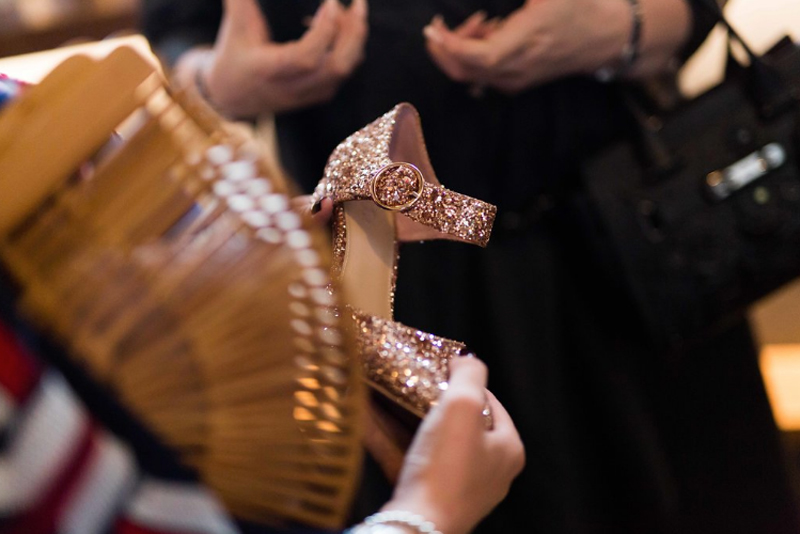
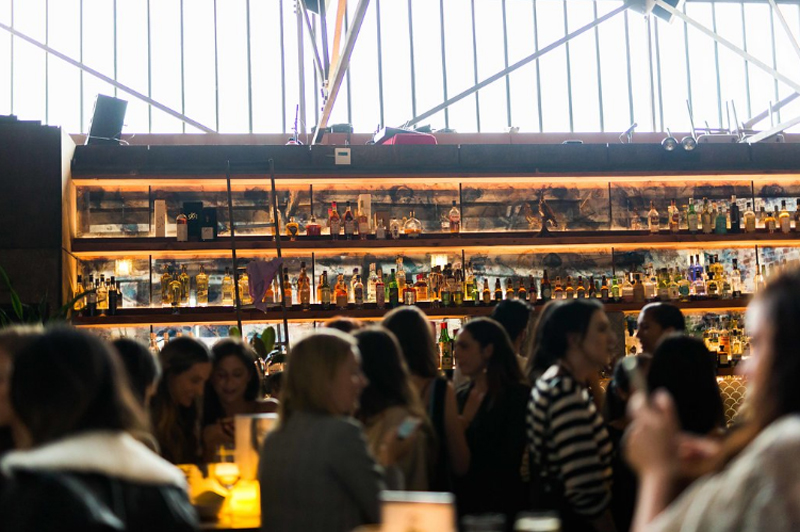
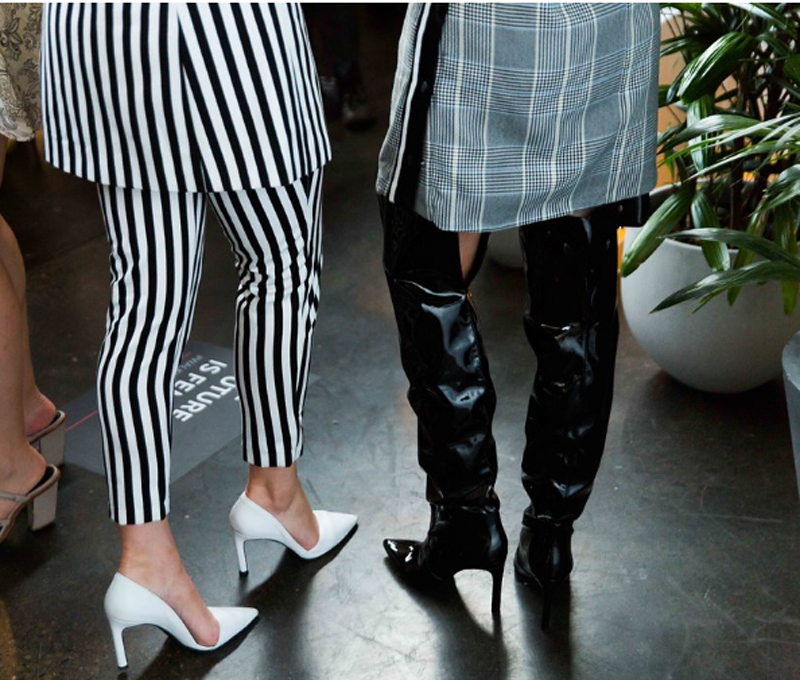
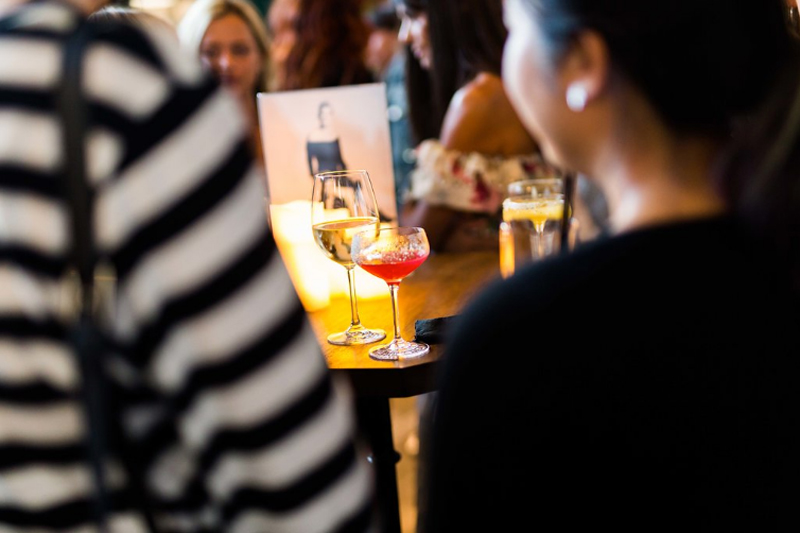
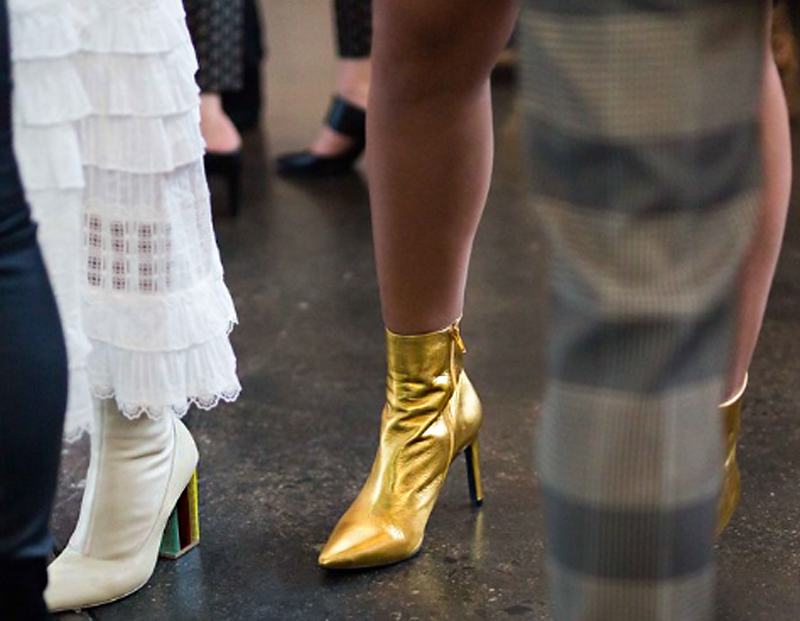
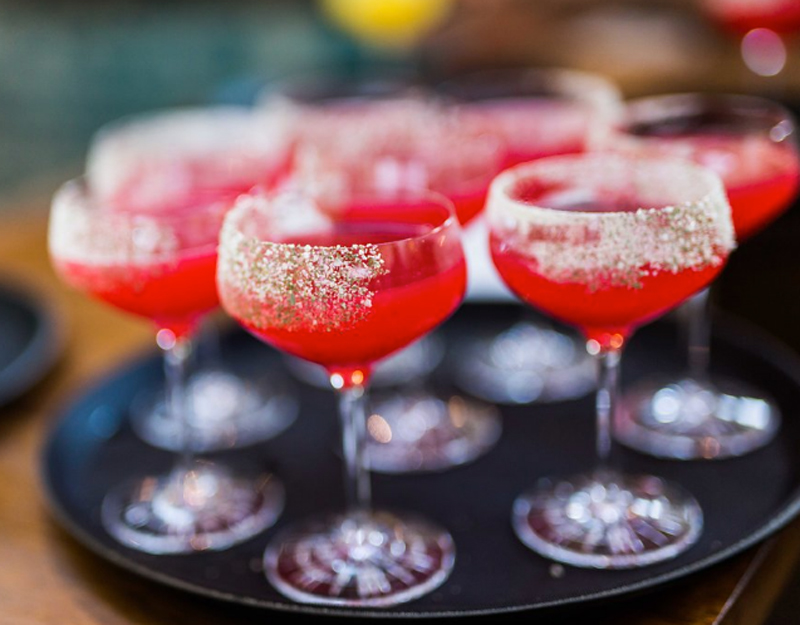
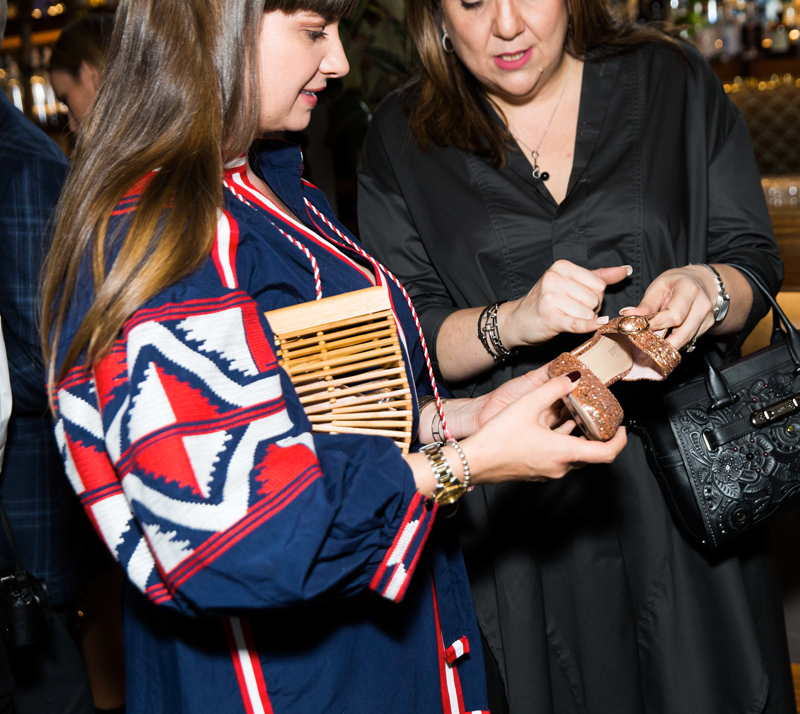
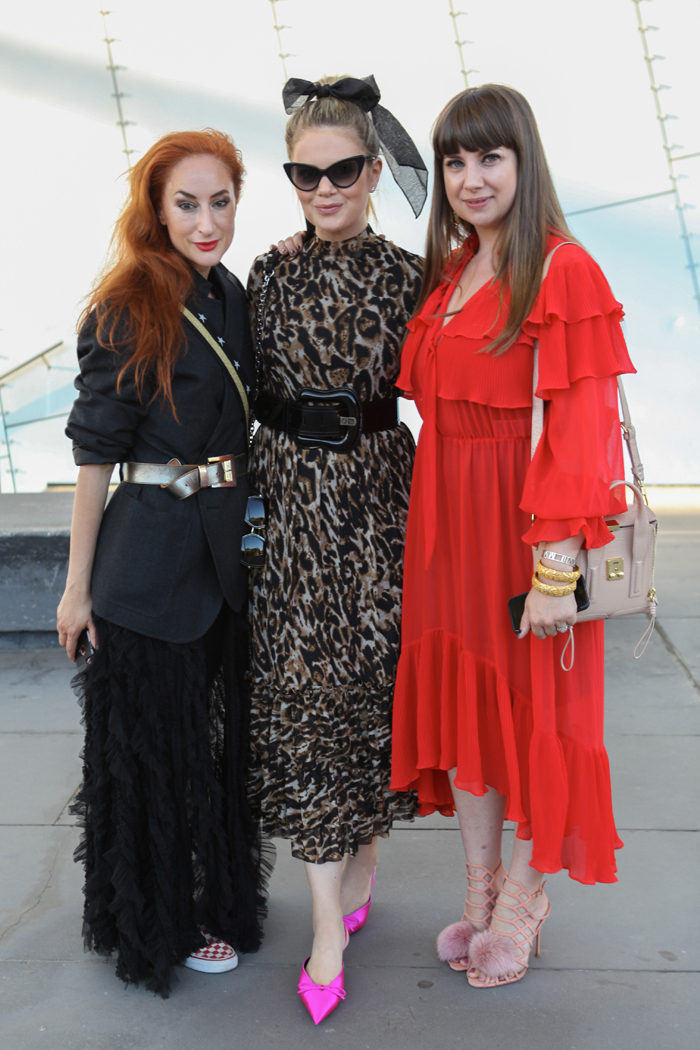
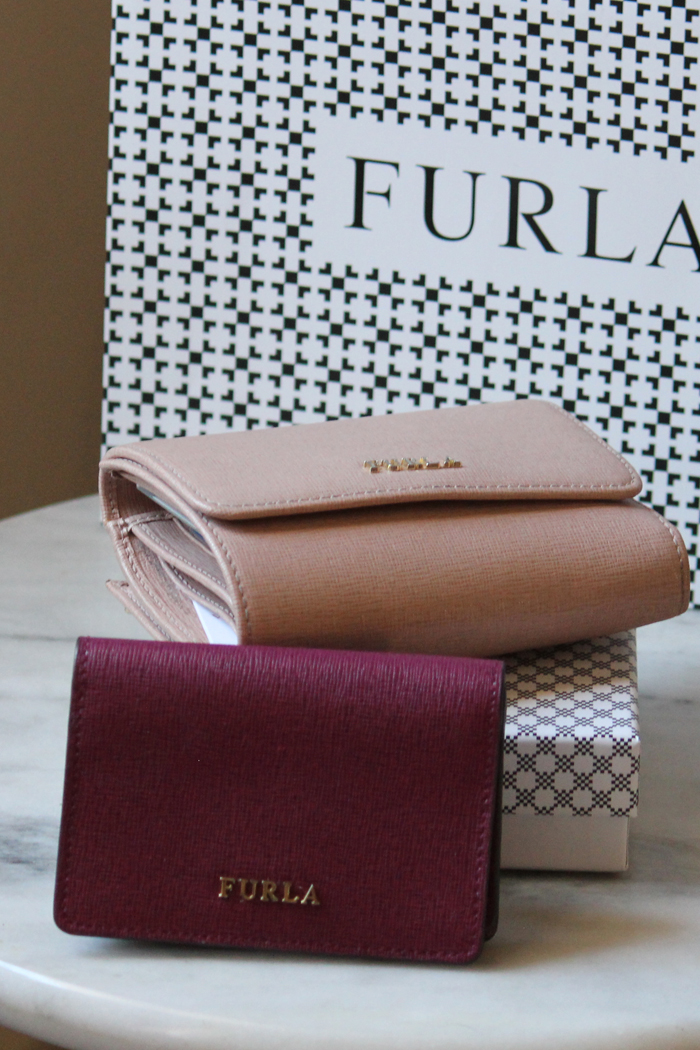
Here’s some beautiful images of the Wittner event last week that sparked my thoughts, as usual, I’d love to hear what you think!

3 comments
The biggest issue for me is whether these companies that are espousing or coopting feminist ideals are actually putting those concepts into practice within their own business. Recently it seems that I constantly see brands emblazoning their products with feminist slogans – and yet using sweatshops that exploit and endanger young women to produce those same products, without any sense of contradiction.
Wittner, for example, currently has a score of ‘D’ from the Ethical Consumer Group’s Shop Ethical! app, and a ‘We Avoid’ rating from the Good On You ethical shopping app. If these brands truly want to support, rather than exploit, these movements, they need to begin by addressing their own business practices.
Yes there’s so much to be said for how intersectional this topic is – body positive, disabled, LBTQI. It’s a huge topic I now realised could have warranted a lot more words! But the main point is exactly as you responded, being aware of where your money goes.
Great article, Phoebe. I think having this conversation and questioning the motives of a brand aligning itself with a cause is essential. We’ve seen it A LOT in the body positive space, so much so that a number of the marginalised groups that pioneered the community now feel it doesn’t have a place for them. That it is now led by marketing departments of beauty and clothing retailers. It’s not right and it’s up to the consumer not to just buy blindly into a cause or movement, but to get to the roots of it ESPECIALLY if they’re going to buy the tee.